When a headache is actually coming from the neck, the right care can help a lot. When it is not, neck-focused treatment is the wrong tool, and you deserve to know the difference. Sorting that out is exactly the kind of triage a Primary Spine Practitioner is built for.
First, we figure out what kind of headache you have
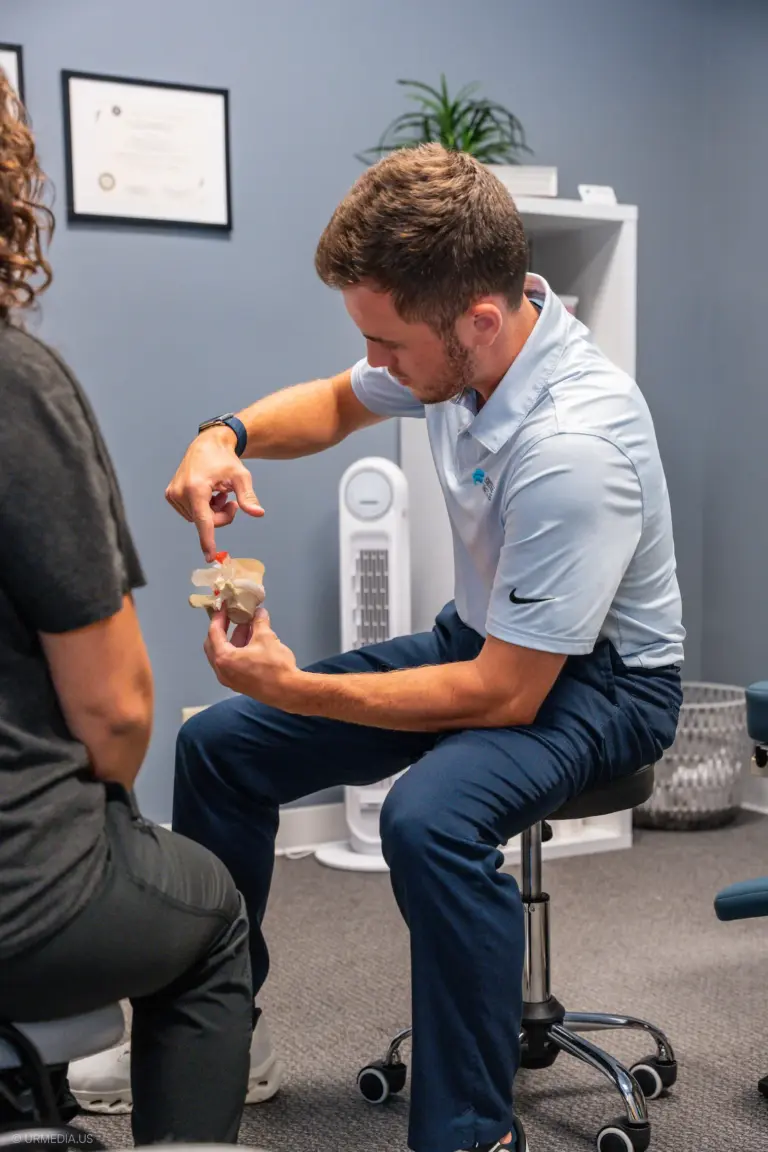
Headache covers very different conditions: migraine, tension-type, cervicogenic (one that originates from the neck), and others. Some patterns warrant medical evaluation rather than spine care, for example a new, severe, or unusual headache. Our first step is to sort your headache into the right bucket, screen for anything that needs a physician’s attention, and be honest if it is not one we are the right fit to treat.
Where we genuinely help, cervicogenic headache
Cervicogenic headache is driven by structures in the neck and often worsens with certain neck positions or movements. A 2022 systematic review of 20 studies found that manual therapy and exercise may reduce headache frequency, intensity, and related disability, with the clearest effects in the short term, though most of the trials had a high risk of bias (Bini et al., Chiropractic and Manual Therapies, 2022). A separate meta-analysis of seven trials focused on spinal manipulation found small but real short-term benefits for cervicogenic headache pain and frequency (Fernandez et al., European Journal of Pain, 2020). We are straight with you about the size of the expected benefit. This is helpful care, not a miracle cure.
What treatment looks like
Two people with daily headaches can need completely different care depending on the source. Treating every headache as a neck problem, or none of them, both fail people. We match the plan to the diagnosis, and if the picture is mixed, we co-manage.
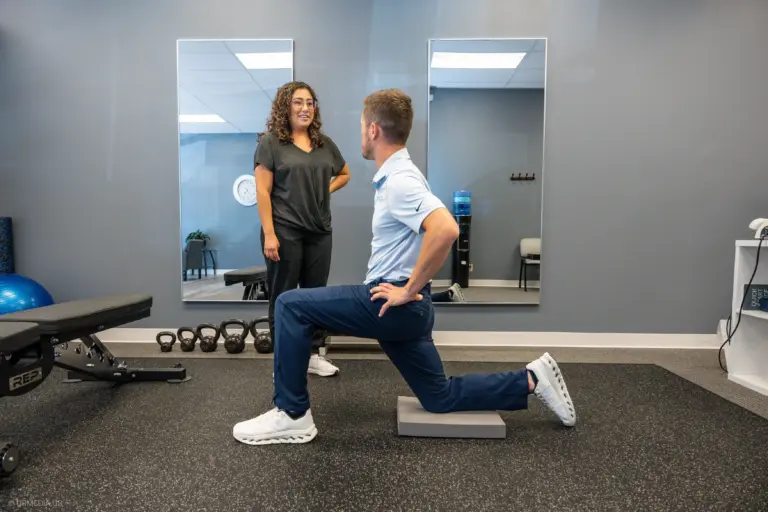
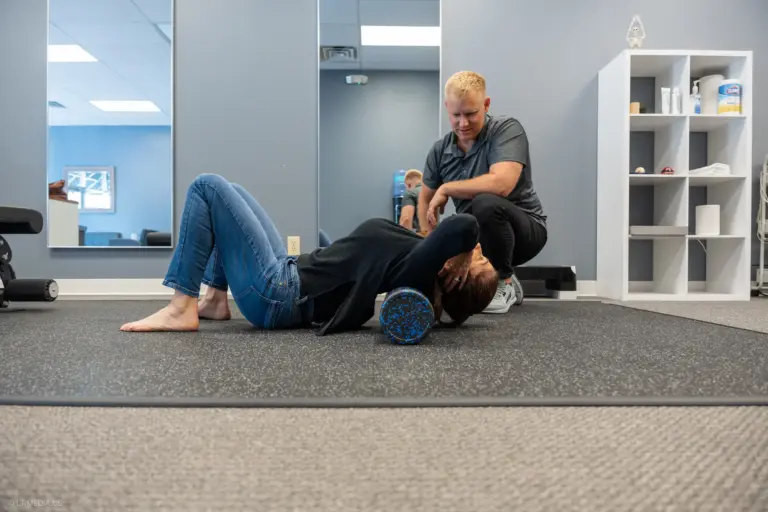
For headaches that stem from the neck, we combine hands-on treatment with exercise for the neck and upper back, plus practical guidance on the posture, workstation, and sleep factors that feed the pattern. Then we track your headache frequency and intensity over a few weeks. Fewer, milder headaches tell us we are on the right track. No change tells us to reassess the diagnosis rather than keep pushing the same approach.
If your headaches do not respond, or the pattern suggests migraine or another condition better served by a physician or neurologist, we say so and help you get there. Being your spine’s front door means knowing when the door leads somewhere else.
The research behind this page:
Bini P, et al. The effectiveness of manual and exercise therapy on headache intensity and frequency among patients with cervicogenic headache: a systematic review and meta-analysis. Chiropr Man Therap. 2022;30:49.Fernandez M, et al. Spinal manipulation for the management of cervicogenic headache: A systematic review and meta-analysis. Eur J Pain. 2020;24(9):1687-1702.
Blanpied PR, et al. Neck Pain: Revision 2017. Clinical Practice Guidelines Linked to the International Classification of Functioning, Disability and Health From the Orthopaedic Section of the American Physical Therapy Association. J Orthop Sports Phys Ther. 2017;47(7):A1-A83.